
01
Ovarian or tubal cancer
Removal may form part of staging or cancer surgery. A gynaecologic oncologist should plan suspected malignancy to avoid tumour rupture and ensure appropriate staging.
Removal of one or both ovaries and fallopian tubes may be recommended for an ovarian or tubal mass, cancer, torsion, severe endometriosis, infection, or inherited cancer risk. Medifly connects you with senior gynaecologic surgeons and coordinates your treatment from report review to recovery.


It is surgery to remove an ovary together with its fallopian tube. “Salpingo” refers to the fallopian tube; “oophorectomy” means removal of an ovary.
Unilateral salpingo-oophorectomy (USO) removes one ovary and one tube. If the remaining ovary and tube are healthy, hormone production and the possibility of natural pregnancy may continue.
Bilateral salpingo-oophorectomy (BSO) removes both ovaries and both tubes. Before natural menopause, this causes immediate surgical menopause and permanent loss of natural egg production. It requires a careful discussion about fertility preservation, menopausal symptoms, bone and heart health, sexual health, and whether hormone therapy is safe.
Removal may form part of staging or cancer surgery. A gynaecologic oncologist should plan suspected malignancy to avoid tumour rupture and ensure appropriate staging.
A complex, growing, symptomatic, or postmenopausal mass may need removal when imaging and blood tests cannot safely rule out cancer.
Risk-reducing bilateral surgery may be discussed after genetic counselling for BRCA1, BRCA2, Lynch syndrome, or another proven high-risk variant.
A twisted ovary is an emergency. Surgeons try to untwist and preserve it when viable; removal may be necessary if tissue is non-viable or a dangerous mass is present.
Selected patients with severe pain, recurrent endometriomas, or organ damage may need removal after fertility goals and less radical options are considered.
A tubo-ovarian abscess that does not improve with antibiotics and drainage, or one that has ruptured, may require urgent surgery.
Large cysts, recurrent masses, tissue damage, bleeding, or complications discovered during another pelvic operation may occasionally make removal appropriate.
Except in an emergency, the diagnosis, alternatives and long-term effects should be clear before consent.
These can signal torsion, rupture, internal bleeding, ectopic pregnancy, or severe infection. Do not wait for an online consultation.

History, pelvic examination, ultrasound or MRI/CT, pregnancy testing when relevant, blood work and tumour markers where indicated.
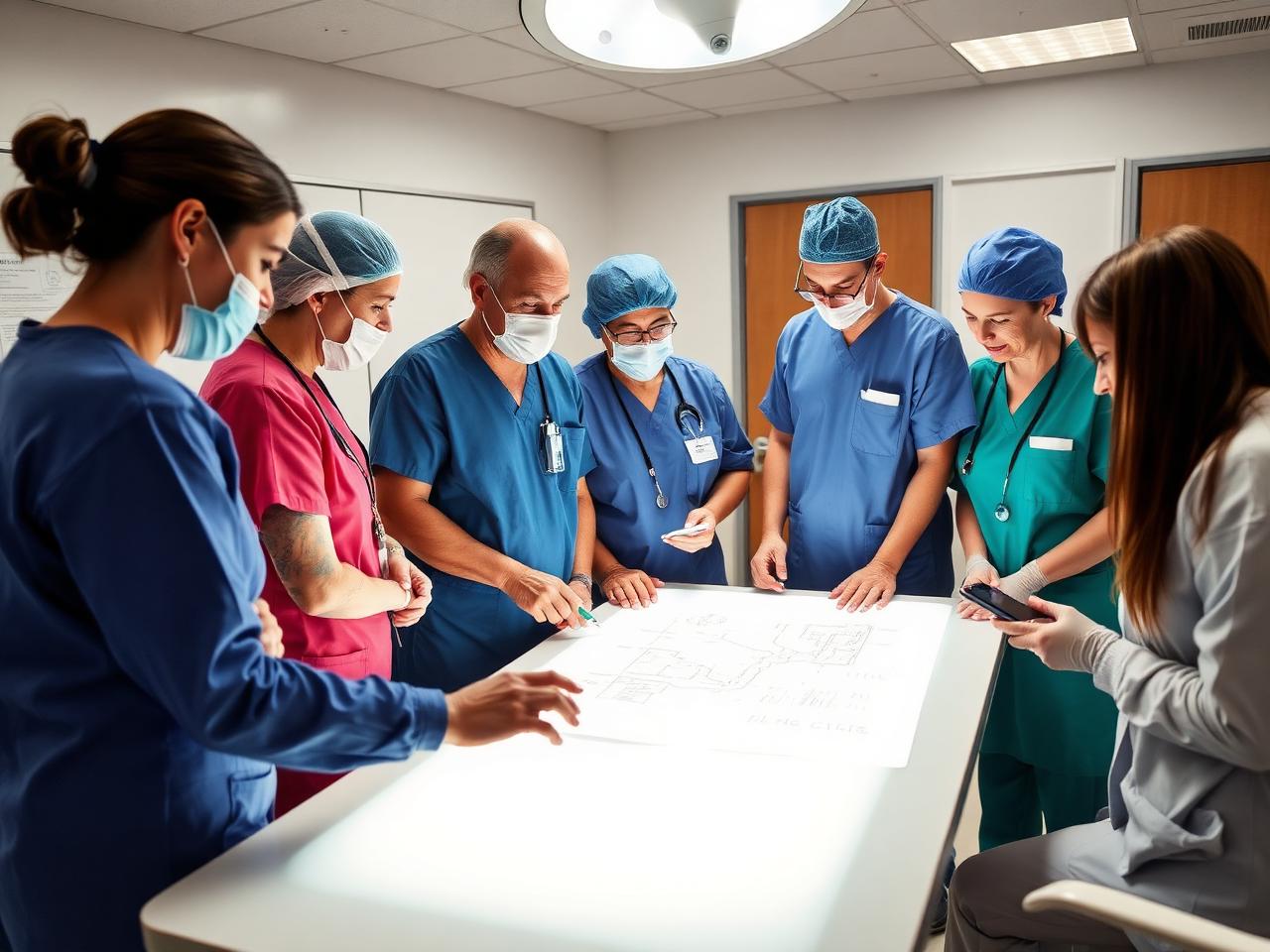
The team confirms unilateral or bilateral surgery, fertility wishes, surgical approach, pathology plan and any possible additional procedure.

General anaesthesia is normally used. Blood-clot and infection prevention are tailored to your individual risk.
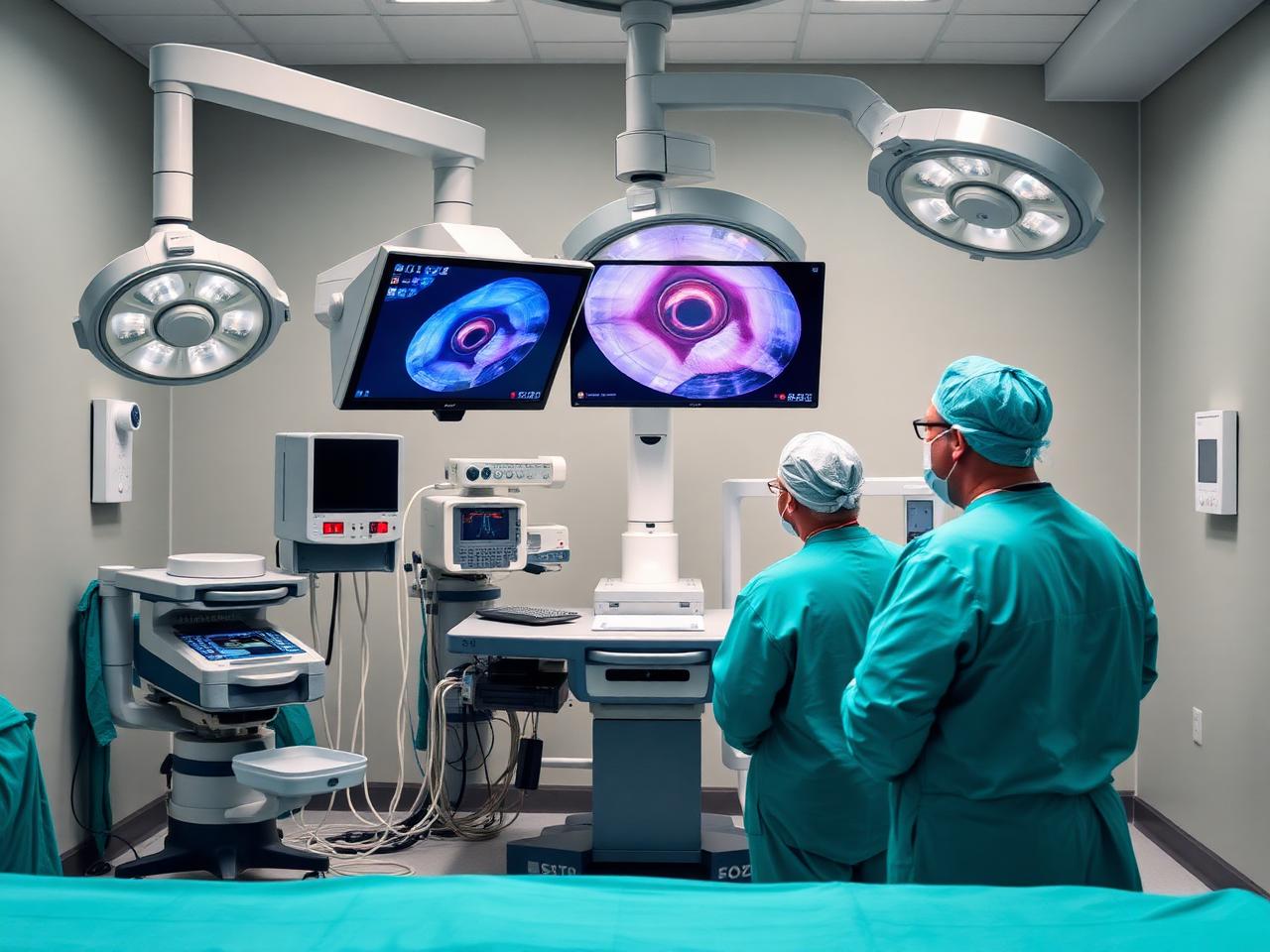
The surgeon seals the blood supply and removes the tube and ovary, generally in a specimen bag to reduce spillage.

The tissue is examined. If cancer is suspected, specialised processing and staging may affect the final treatment plan.
Keyhole instruments and a camera are used through small abdominal cuts. It is common for benign disease and selected early cancers, with less pain and faster recovery than open surgery.
A surgeon controls robotic instruments with magnified 3D vision. It may help in complex minimally invasive cases, but is not automatically better or necessary for every patient.
A larger abdominal incision may be safest for a very large mass, widespread cancer, major adhesions, uncontrolled bleeding, or when intact specimen removal is critical.
| Stage | Typical experience | What helps |
|---|---|---|
| First 24 hours | Pain around the cuts, bloating, mild vaginal spotting, tiredness, and sometimes shoulder-tip pain after laparoscopy. | Prescribed pain relief, fluids, gentle walking and breathing exercises. |
| Days 2–7 | Energy improves gradually. Bowel movements may be slow. Wounds should stay clean and dry as advised. | Short walks, hydration, protein-rich meals and no heavy lifting. |
| Weeks 2–4 | Many uncomplicated keyhole patients resume desk work and normal light activity, subject to surgeon clearance. | Increase activity gradually; follow driving, exercise, bathing and sex restrictions. |
| Weeks 4–8+ | Open surgery, cancer staging or complications can require longer recovery. | Attend pathology and follow-up visits; follow the personalised oncology plan. |

If the remaining ovary is healthy, it can often continue producing hormones and eggs. Natural conception may still be possible if the remaining tube and other reproductive factors are favourable. Your individual fertility depends on age, ovarian reserve, diagnosis and prior treatment.

Natural egg production ends and premenopausal patients enter surgical menopause immediately. Symptoms can include hot flushes, sleep change, vaginal dryness, mood changes and reduced sexual comfort. Longer-term bone and cardiovascular health need active follow-up.
Hormone therapy may help selected patients, but it is not suitable for everyone—particularly with certain hormone-sensitive cancers. The decision belongs with your gynaecologist or oncologist after reviewing age, diagnosis, uterus status, cancer risk and personal history.
These are planning ranges—not guaranteed quotations. Final cost depends on diagnosis, hospital, surgeon, room, approach, pathology, cancer staging, complications and whether another procedure is added.
| Treatment pathway | Indicative self-pay range | Usually affects price |
|---|---|---|
| Unilateral laparoscopic salpingo-oophorectomy | ₹1.5–₹2.5 lakh | Mass size, imaging, pathology and length of stay |
| Bilateral laparoscopic salpingo-oophorectomy | ₹1.8–₹3 lakh | Risk-reducing vs therapeutic surgery and pathology protocol |
| Robotic salpingo-oophorectomy | ₹2.5–₹4.5 lakh | Robotic system, hospital, complexity and additional surgery |
| Open or cancer-staging surgery | Individual quote | Extent of disease, ICU need, staging/debulking and hospital stay |
Packages should specify surgeon and anaesthesia fees, operating theatre, room category, routine medicines, investigations, pathology, consumables, follow-up and what is excluded. Currency conversion changes daily.
Send scans, lab results and medical summary.
We match a gynaecologist or gynae-oncologist.
Receive approach, hospital, timeline and quote.
Visa invitation, stay, pickup and interpreter support.
On-ground admission, surgery and discharge coordination.
Pathology review and remote coordination after travel.
Medifly Healthcare supports patients travelling to India with medical visa documentation, specialist appointments, hospital admission, airport pickup, nearby accommodation, language assistance, transparent quotes and post-discharge follow-up.
Bring a passport valid for the required period, medical visa documents where applicable, current prescriptions, scan images, original reports, genetic results, insurance papers if relevant, and an accompanying adult for discharge. Do not book non-refundable travel until your treating team confirms the schedule.

An experienced minimally invasive gynaecologic surgeon may be appropriate.
Choose a gynaecologic oncologist with cancer staging expertise and specialist pathology support.
Include a fertility specialist before irreversible surgery whenever time and diagnosis allow.
Use genetic counselling and an oncology-led risk plan; a mutation result alone is not a complete surgical plan.
Medifly can coordinate care with accredited hospitals in Chennai and other major Indian medical centres. See our doctors, explore cancer hospitals in Chennai, or request an expert second opinion.
Speak with a patient coordinator
+91 99449 38508Call or WhatsApp. Share your ultrasound/MRI, lab reports, diagnosis and proposed operation.
No. Salpingo-oophorectomy removes an ovary and fallopian tube on one or both sides. Hysterectomy removes the uterus. They can be performed together when indicated, but one does not automatically require the other.
Sometimes. Ovarian cystectomy preserves the ovary and is often considered for benign-looking cysts, particularly when fertility matters. Removal of the ovary may be safer if the mass replaces the ovary, cancer is suspected, torsion has destroyed tissue, bleeding cannot be controlled, or repeated disease has severely damaged it.
Usually yes, if your uterus and remaining ovary are functioning. The remaining ovary can continue the menstrual cycle and hormone production. Personal outcomes vary with age, ovarian reserve and other treatment.
Yes, if both functioning ovaries are removed before natural menopause. This is immediate surgical menopause. Discuss symptom control, bone density, heart health, sexual health and whether hormone therapy is medically appropriate before surgery.
Pregnancy may remain possible if the other ovary and tube work, the uterus is present and there are no other fertility problems. A fertility assessment can clarify your individual chances.
No procedure makes risk zero. Bilateral risk-reducing surgery greatly lowers ovarian and fallopian tube cancer risk in properly selected high-risk patients, but a small risk of primary peritoneal cancer remains. Genetic and oncology follow-up still matter.
For uncomplicated keyhole surgery, many international patients plan roughly 10–14 days to allow pre-operative evaluation, surgery, early recovery and a follow-up check. Open or cancer surgery may require longer. Book only after the surgeon confirms your case-specific timeline.
WhatsApp your medical summary, scan reports, lab results and proposed operation to +91 99449 38508. Medifly will organise an appropriate specialist review, clarify missing tests and prepare a treatment and cost plan.
Send your reports for a specialist assessment. We will help clarify whether you need cyst removal, unilateral surgery, bilateral surgery, cancer staging, or another approach—and coordinate the hospital, cost and travel plan if you choose treatment in India.
Medical information on this page is educational and does not replace examination, diagnosis or an individual treatment recommendation.